

May 20, 2026
𝗧𝗵𝗲 𝗴𝗿𝗲𝗮𝘁 𝗿𝗲𝗽𝗹𝗮𝗰𝗲𝗺𝗲𝗻𝘁: 𝗔𝗜 𝗶𝗻𝘀𝘁𝗲𝗮𝗱 𝗼𝗳 𝗦𝗮𝗮𝗦?
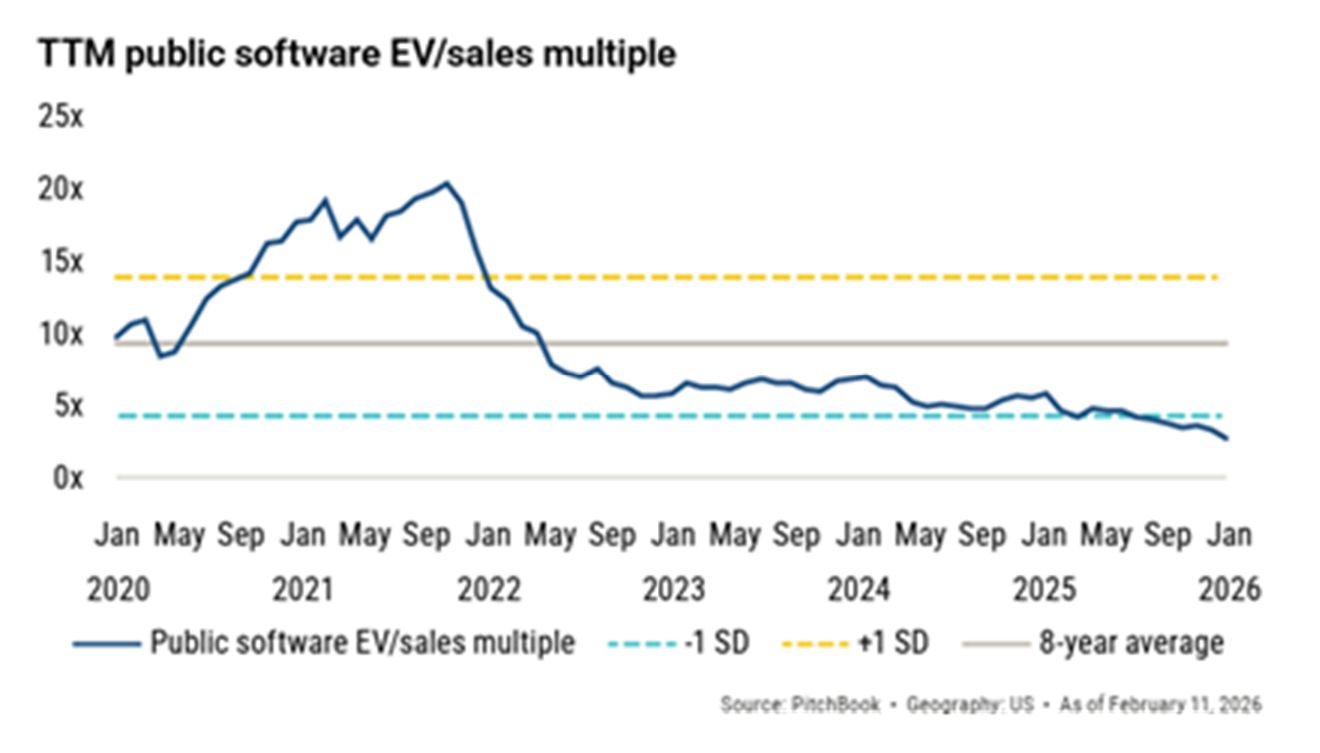
The big story of the moment is the re-rating of SaaS companies and the big Wall Street sell-off as AI threatens SaaS and lives its own uncertainty.
Behind the headlines, the reality is a bit more nuanced. Let’s unpack.
✔️ 𝗦𝗮𝗮𝗦 𝗰𝗼𝗺𝗽𝗮𝗻𝗶𝗲𝘀 𝗵𝗮𝘃𝗲 𝗿𝗲-𝗿𝗮𝘁𝗲𝗱 – 𝘀𝗽𝗲𝗰𝘁𝗮𝗰𝘂𝗹𝗮𝗿𝗹𝘆. Forget the 10-20x P/R of Covid past, we are now in 5x and less. Two factors are at work:
▫️ AI is creating pressure, but this is also a great opportunity for software companies to lower their cost while leverage their traditional moat linked to existing integration in end-user workflows, data security etc.
▫️What has changed is the economics of SaaS. SaaS used to be synonymous with ARR, i.e. Annual Recurring Revenues. The majority of SaaS software companies are moving to usage pricing: this means that the beauty of recurring is fading. This is probably just as much a driver for the re-rating.
✔️ 𝗔𝗜 𝗶𝘀 𝗿𝗼𝗮𝗿𝗶𝗻𝗴 𝗮𝗵𝗲𝗮𝗱 – 𝗲𝘃𝗲𝗻 𝗮𝘀 𝗲𝘃𝗲𝗿𝘆𝗼𝗻𝗲 𝘄𝗼𝗻𝗱𝗲𝗿𝘀 𝘄𝗵𝗼 𝗹𝗼𝗻𝗴 𝘁𝗵𝗶𝘀 𝗺𝗮𝘆 𝗹𝗮𝘀𝘁
▫️Since the beginning of the year, we have seen $3.2bn of deals in the UK alone: $1.2bn for Wayve (AV); $1bn for Ineffable Intelligence (AGI); $500m for ElevenLabs (voice AI); $200m for Synthesia (video AI); $200m for OLIX (AI chip).
▫️At the same time, there is a big debate around the impact of AI on enterprises, despite the big “agentic AI” buzzword. Yes, certain sectors are being seriously shaken (coding, legal, etc) but much of the usage is B2C. Figures from OpenAI (in India, their 2nd largest market) show that the vast majority of users are below 30 years old, and only 35% of their usage relates to professional tasks. Social use dominates, rougly equally between information search, help with writing and general guidance. In fact OpenAI COO says “we have not yet really seen enterprise AI penetrate enterprise business process”.
▫️There is actually a whole debate about the business models: “foundation model” AI companies vs. “vertical AI” providers (software companies which take full advantage of AI). Which explains the market gyrations as investors figure out who will benefit and who will suffer from the upheaval.
Does this mean SaaS software is dead? As an ARR play, probably. As a way to deliver productivity (leveraging AI where it can), absolutely not.
Of course, legacy players will have to adapt. Remember Adobe moving to SaaS instead of license? Private equity players are already salivating: among the mid-cap software PE firms Updata Partners which have just closed a $875m Software growth equity fund.
Sources:
https://pitchbook.com/news/reports/q1-2026-pitchbook-analyst-note-private-equitys-exposure-to-the-software-reckoning
https://techcrunch.com/2026/02/20/openai-says-18-to-24-year-olds-account-for-nearly-50-of-chatgpt-usage-in-india/
https://techcrunch.com/2026/02/24/openai-coo-says-we-have-not-yet-really-seen-ai-penetrate-enterprise-business-processes/
https://www.ben-evans.com/benedictevans/2026/2/19/how-will-openai-compete-nkg2
https://www.prnewswire.com/news-releases/updata-partners-closes-875-million-software-growth-equity-fund-302695948.html
Our Latest News

July 31, 2026
There are increasingly 𝘁𝘄𝗼 𝘀𝗲𝗽𝗮𝗿𝗮𝘁𝗲 𝗽𝗮𝗿𝗮𝗹𝗹𝗲𝗹 𝘂𝗻𝗶𝘃𝗲𝗿𝘀𝗲𝘀: 𝘁𝗵𝗲 𝗹𝗮𝗿𝗴𝗲𝗿 𝗶𝗻𝘃𝗲𝘀𝘁𝗼𝗿𝘀 – 𝗮𝗻𝗱 𝗼𝘁𝗵𝗲𝗿𝘀.
July 31, 2026
Accel’s new report on “Founder Factory 2026” makes interesting reading.

.png)